From Atheism to Faith: Khaled's Journey
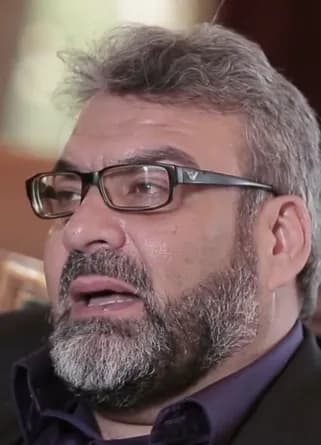
Khaled
Canada
Previous Religion: Atheism
My Life Before Islam
Dr. Khaled Suleiman is a Palestinian academic from Jerusalem, currently working at the University of Ottawa in Canada. Although he grew up in a Muslim environment and even memorized parts of the Quran as a child, he describes his early religious upbringing as "superficial." It focused on form over substance and rote memorization rather than understanding. His father's strict military background made it impossible for him to ask deep existential questions. After high school, facing personal setbacks and "slaps from life," Khaled felt a sense of anger and injustice. He began to blame God for the world's perceived cruelty, eventually leading him to declare atheism as a way of "boycotting" the Creator, similar to a child ignoring a parent in anger.
The Moment of Guidance
During his time as an atheist, Khaled moved to Canada and pursued a PhD, focusing on global development and why Arab societies lagged behind the West. He realized that for any society to progress, it must have a coherent intellectual framework that aligns with its people's identity and faith. This led him to question why Islam was being fought so fiercely if it was truly irrelevant. The turning point came when a verse he had memorized long ago "jumped" back into his mind: "Has the time not come for those who have believed that their hearts should become humbly submissive at the remembrance of Allah and what has come down of the truth?" (Surah Al-Hadid, 57:16). He felt this verse was a personal message calling him back from his wandering.
Reflections
Dr. Khaled reflects on his period of atheism as a time of "living in a vacuum" without purpose or meaning, confirming the Quranic description of a "straitened life" (Ma'ishatan Dhanka). He notes that atheism is not true freedom, as humans always remain servants to societal laws or personal desires; true freedom only comes through submission to the Creator. He now emphasizes the importance of parents allowing their children to ask difficult questions and providing them with a strong intellectual foundation to withstand the "shaky doubts" found in modern media. He finds peace in understanding that life is a test of patience (Sabr) and that God's justice operates on a scale far beyond human comprehension.